
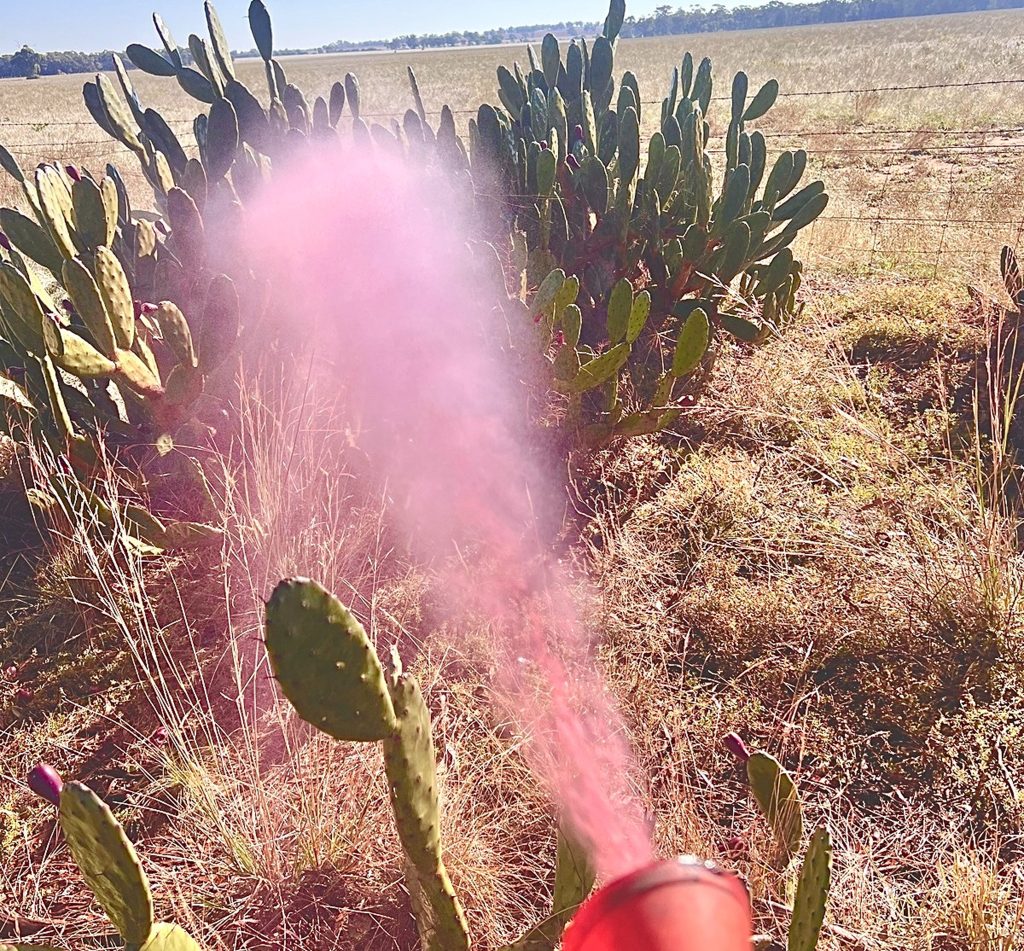
WHEEL CACTUS & PRICKLY PEAR EXPLAINED
Wheel cactus and prickly pear are invasive succulents that spread fast from dropped pads and are notoriously hard to kill. Left alone they form spiny infestations that block paddocks, injure stock and crowd out native growth. We use cactus-specific injection and spray methods, backed by follow-up visits, to clear them properly.
WHY ARE THEY A PROBLEM?
- Invasive Growth
Every pad these plants shed can strike root on its own, so a single specimen soon becomes a colony that keeps expanding even across the dry, stony country common through the Macedon Ranges. - Difficult to Eradicate
A thick waxy skin and moisture-hoarding flesh let these succulents shrug off drought and a lot of the herbicides that work on ordinary weeds. - Reduces Land Productivity
Thick stands wall off paddocks, get in the way of mustering and take productive grazing and cropping country out of action entirely. - Harms Native Ecosystems
By smothering native plants and sheltering pests like rabbits and foxes, these cacti steadily degrade the surrounding bushland. - Dangerous Spines
The long, needle-sharp spines can wound livestock, pets and people, and often lodge in skin or eyes.
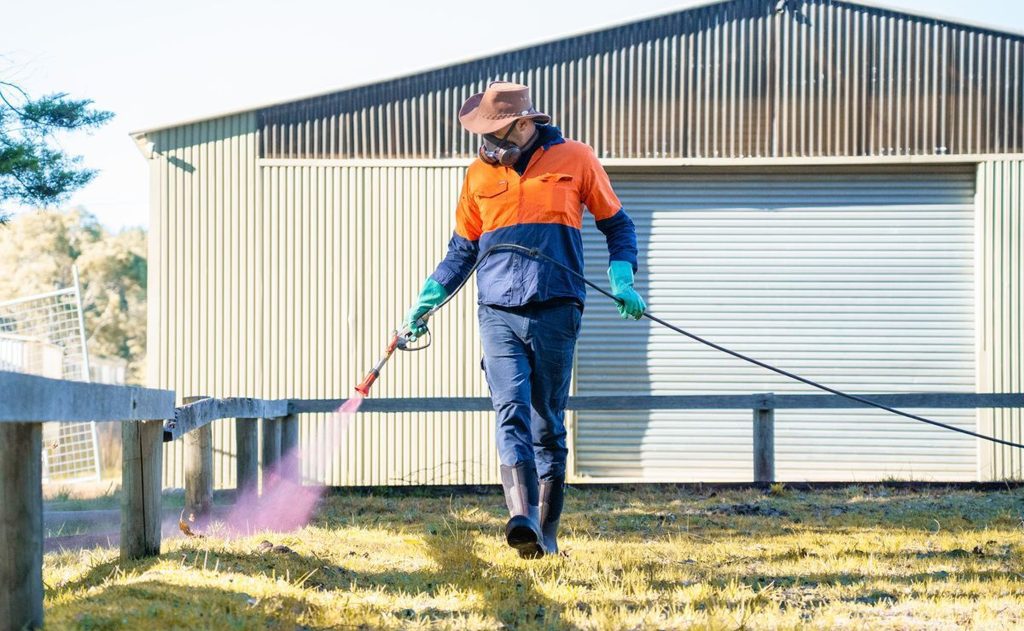
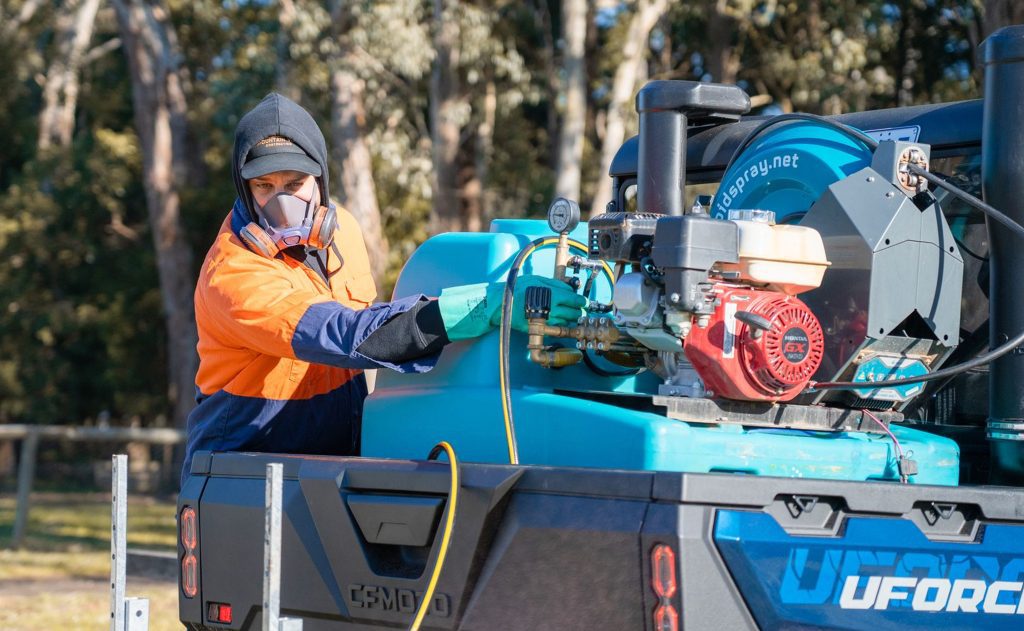
HOW WE REMOVE CACTUS
Getting rid of these plants for good takes the right technique and a bit of patience. Our team pulls together a combined control program that can include:
- Herbicide Injection & Spraying
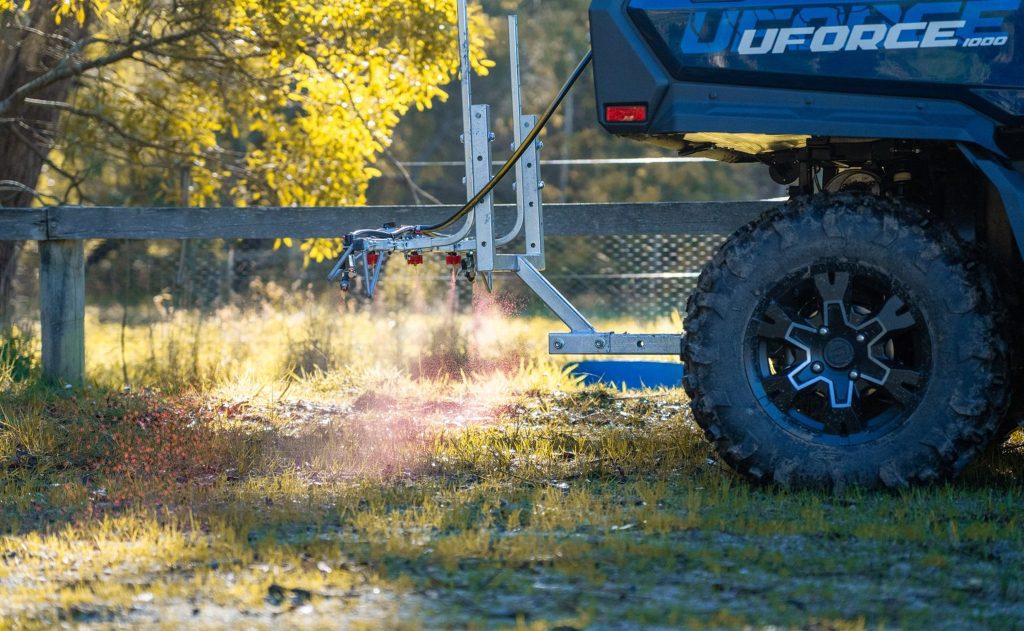
Depending on how big and how dense the infestation is, we apply registered herbicides by stem injection, pad injection or foliar spray. - Mechanical Removal
Where it suits the site, plants can be dug out or pushed up with machinery, usually paired with a chemical follow-up so dropped pads don’t sprout again. - Ongoing Site Monitoring
We come back and check the site over time, knocking out fresh seedlings or pads that try to re-establish after the first treatment.
ADVANTAGES OF OUR APPROACH
- Specialised Techniques
We rely on tried-and-tested, cactus-specific methods that cut through the waxy skin and reach the root system for a far more thorough kill. - Minimises Environmental Damage
Because our treatments are aimed straight at the target plant, nearby vegetation, soil and wildlife are left largely untouched. - Improves Land Usability
Once the cactus is gone, that ground is free again for grazing, cropping or replanting with natives. - Reduces Injury Risk
Taking out the spiny growth keeps stock, working dogs and anyone using the property safe from nasty jabs. - Supports Long-Term Control
Every program comes with return visits and a joined-up plan so the infestation doesn’t simply grow back.
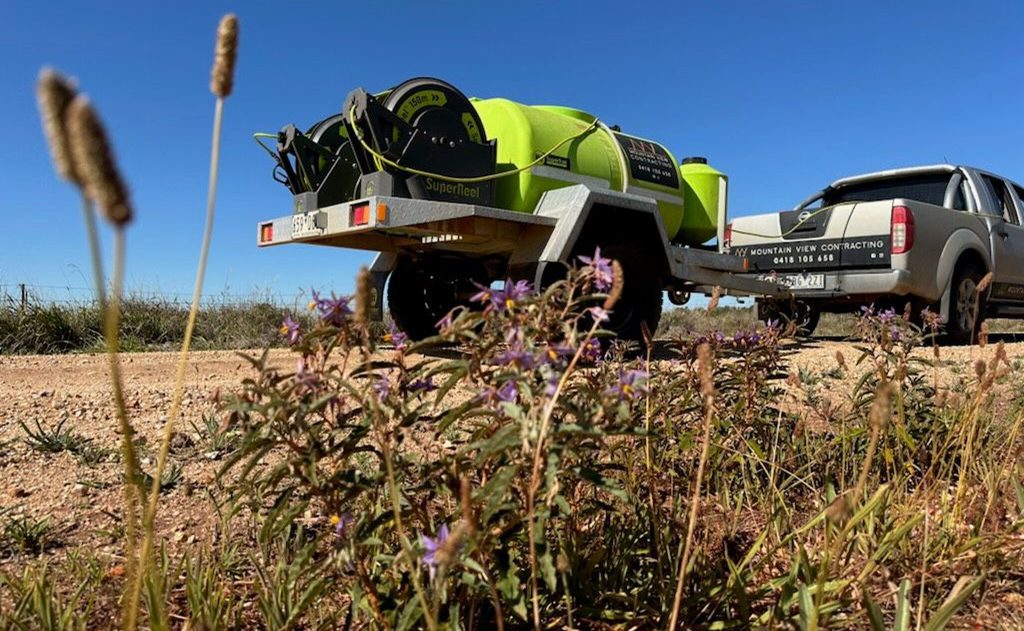
WHEN IS THE BEST TIME FOR CONTROL?
Wheel cactus and prickly pear respond best while they’re actively growing through the warmer part of the year, roughly from late spring into early autumn across Central Victoria. An unstressed plant takes up herbicide far more readily, so results are stronger then. Tackling an infestation early, before the plants mature and start dropping pads, does the most to stop it spreading.
MORE RESOURCES