

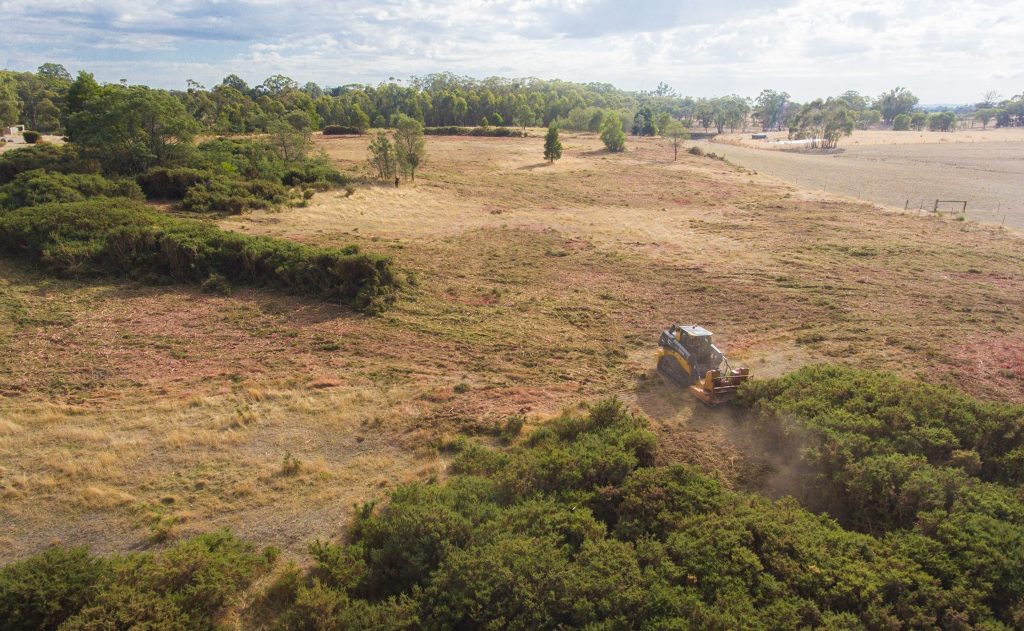
Mulching with the Eco Blade stimulates your property’s seed bank, encouraging native and desirable species to take hold while breaking the weed-regeneration cycle — for a healthier, more resilient landscape. We also offer boom-spraying to support the recovery.
ADVANTAGES
Promotes seed germination
Opening up the ground surface and clearing away competing growth lets the seeds already held in the soil sprout and establish.
Creates natural mulch layer
The finely shredded growth is left across the paddock as ground cover, locking in soil moisture through our dry Central Victorian summers and cutting back on watering.
Suppresses light-sensitive weed seeds
By shading the soil, that blanket of mulch starves germinating seeds of the light they need, so fewer fresh weeds break through.
Reduces machinery access issues
Once the tangled regrowth and woody weeds are knocked down, machinery, vehicles and equipment can move across the block far more safely.
Minimises soil disturbance
Where dozing or pulling tears everything up, mulching leaves the root zone largely undisturbed, keeping soil structure and the microbial life within it intact.
Encourages biodiversity
Stripping out weed-dominated growth gives a wider mix of healthy native and pasture species room to re-establish across the site.
Decreases long-term maintenance costs
One thorough mulching pass often means fewer and lighter weed-control jobs down the track, saving you money year on year.
Improves pasture conversion success
A cleared, mulched paddock is in far better shape for reseeding, fertilising and turning back into productive pasture or cropping ground.
WHY MULCHING IS THE SMARTER CHOICE?
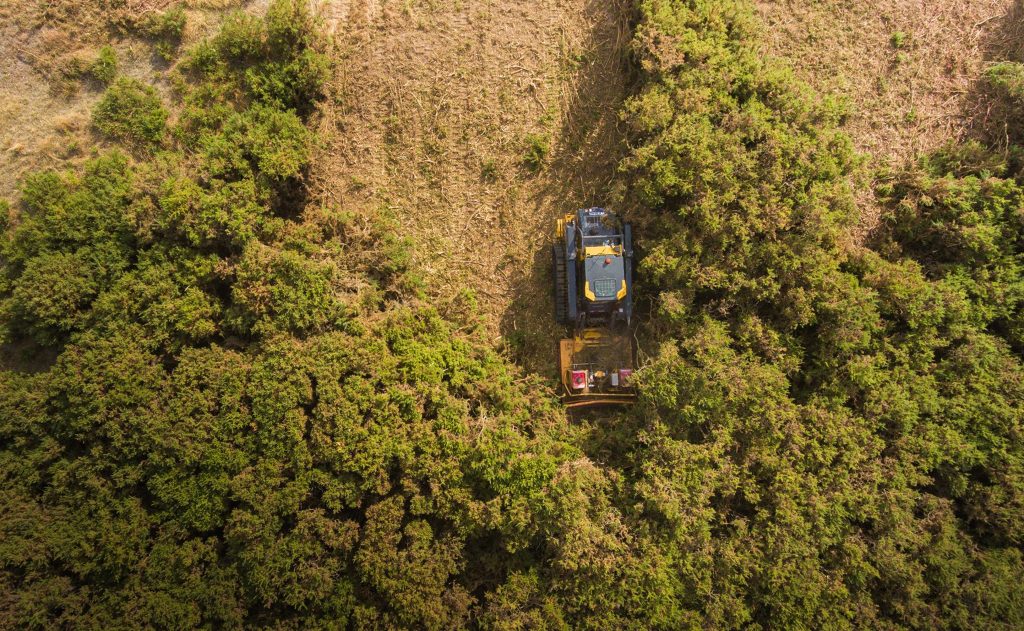
Compared with older clearing methods such as burning or bulldozing, mulching is low-impact, eco-conscious, and sustainable. The nutrients stay on the block, the topsoil is left undisturbed, and you need far fewer follow-up treatments. Because it curbs weed regrowth and keeps soil healthy, mulching sets your Macedon Ranges property up to thrive over the long term—whether you’re running livestock, restoring native habitat, reducing fire-season fuel loads, or getting a site ready to build.